


Advantages of Using Compact Excavators in Urban Areas
Release time: 2026-01-04
Table of Contents
In recent years, urban development has surged, with cities expanding to accommodate growing populations and infrastructure needs. This rapid development often brings unique challenges, particularly when it comes to construction and excavation. Compact excavators have emerged as a practical solution for these challenges due to their versatility, efficiency, and compact size. In this article, we will explore the numerous advantages of using compact excavators in urban areas.
1. Space Efficiency
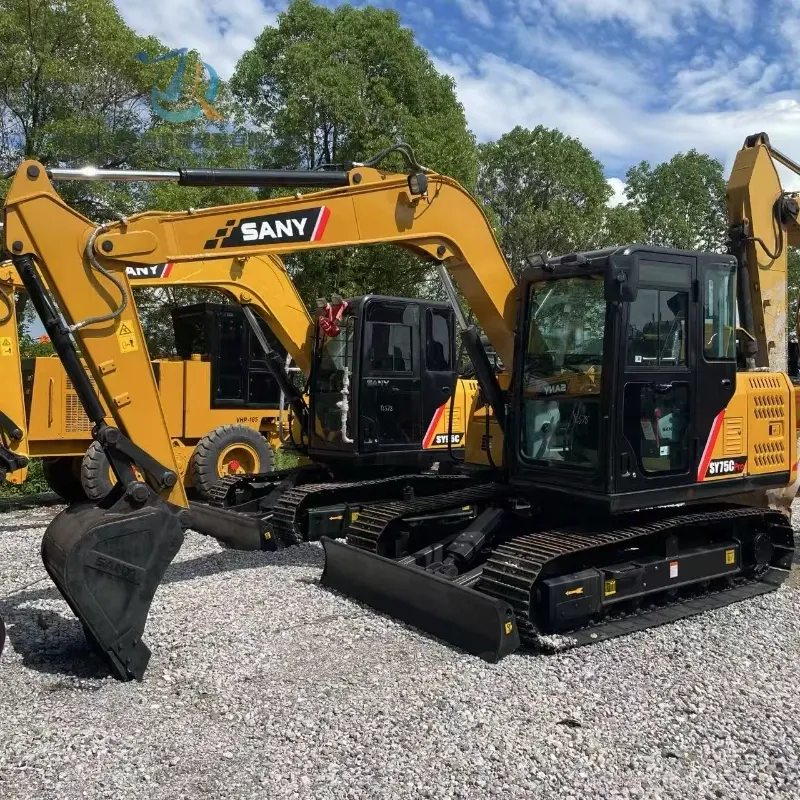
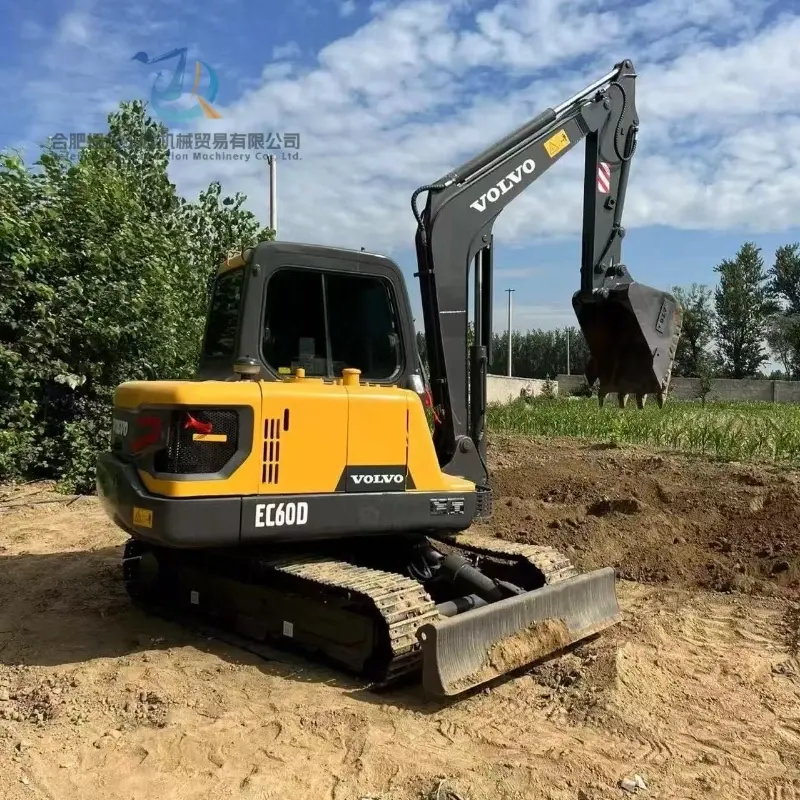
One of the most significant advantages of used compact excavators is their ability to operate effectively in confined spaces. Urban environments are characterized by limited working areas, such as narrow streets, tight lots, and crowded job sites. Traditional, larger excavators may struggle to maneuver in these settings, while compact excavators can easily fit into tight spots without causing extensive disruption to surrounding areas. Their small footprint allows operators to work efficiently, maximizing productivity even in constrained conditions.
2. Improved Maneuverability
Compact excavators are designed with agility in mind. Their smaller size enables operators to navigate easily around obstacles, making them ideal for urban construction projects where space is at a premium. The enhanced maneuverability of these machines allows for quick repositioning and adjustments, reducing downtime and increasing overall efficiency on the job site. Operators can quickly complete tasks that would take significantly longer with larger equipment.
3. Versatility in Attachments
Another advantage of compact excavators is their compatibility with a wide range of attachments. From hydraulic thumbs and buckets to augers and breakers, these machines can be equipped with various tools to suit different tasks. This versatility means that a single compact excavator can perform multiple functions, such as digging, grading, and demolition, reducing the need for multiple machines on-site. In urban areas, where space and resources are often limited, this adaptability can lead to significant cost savings and improved project timelines.
4. Reduced Environmental Impact
Urban construction often faces scrutiny regarding its environmental impact. Compact excavators are generally more fuel-efficient than their larger counterparts, resulting in lower emissions and reduced noise pollution. Many models are designed to comply with stringent emission regulations, making them a more environmentally friendly choice for urban projects. Additionally, their smaller size means they can work in areas with minimal disturbance to the surrounding environment, helping to preserve green spaces and reduce the overall footprint of construction activities.
5. Enhanced Safety Features
Safety is a critical concern in urban construction, where busy streets and pedestrian activity pose additional risks. Compact excavators are typically equipped with advanced safety features, such as improved visibility, rollover protection, and stability systems. Their smaller size also reduces the potential for accidents related to limited sightlines, making it easier for operators to see their surroundings. By prioritizing safety, compact excavators contribute to a safer work environment for both operators and pedestrians alike.
6. Cost-Effectiveness
Investing in a fleet of compact excavators can be financially advantageous for construction companies operating in urban areas. These machines often have lower initial purchase prices and reduced operating costs compared to larger excavators. Additionally, their versatility means that businesses can accomplish a variety of tasks without needing to invest in multiple pieces of equipment. This cost-effectiveness is especially important in urban settings, where budgets can be tight, and maximizing ROI is crucial.
7. Quick Setup and Transportation
Compact excavators are relatively lightweight and easy to transport compared to larger models. This portability allows construction companies to quickly move machines from one job site to another, which is particularly beneficial in urban environments where projects can change rapidly. Furthermore, the setup time for compact excavators is generally shorter, allowing crews to start work sooner and adhere to tight project schedules.
8. Ideal for Utility Work
In urban areas, utility work such as digging trenches for water, gas, or electrical lines is a common task. Compact excavators excel at this type of work due to their ability to dig deeply in confined spaces while minimizing surface disruption. Their precision allows operators to work around existing infrastructure without causing damage, ensuring that utilities can be installed or repaired efficiently and safely.
9. Minimal Site Disruption
Construction projects in urban areas can be disruptive to local communities, affecting traffic flow, access to businesses, and overall quality of life. Compact excavators, with their smaller size and reduced noise levels, help minimize site disruption. Their ability to work efficiently in tight areas allows for quicker project completion times, resulting in less inconvenience for local residents and businesses.
10. Support for Sustainable Practices
As cities strive to become more sustainable, using compact excavators aligns with green building practices. Their fuel efficiency, reduced emissions, and minimal site disturbance contribute to overall sustainability goals. Moreover, these machines can aid in projects aimed at revitalizing urban spaces, such as landscaping, park development, and infrastructure improvements, promoting a healthier and more livable city environment.
Conclusión
In summary, compact excavators offer a multitude of advantages for urban construction projects. Their space efficiency, maneuverability, and versatility make them indispensable tools in crowded city environments. With benefits ranging from enhanced safety and reduced environmental impact to cost-effectiveness and quick setup, it’s clear why compact excavators are increasingly being adopted in urban areas. As cities continue to grow and evolve, these machines will undoubtedly play a crucial role in shaping the future of urban development. Whether you’re a construction professional or a city planner, considering the use of compact excavators can lead to more efficient, safe, and sustainable urban construction practices.
Preguntas frecuentes
What are compact excavators?
Compact excavators are smaller, highly maneuverable digging machines designed for use in confined spaces, making them ideal for urban construction projects.
Why are compact excavators better for urban construction?
Their compact size allows them to navigate tight areas, reducing site disruption and increasing efficiency in urban environments.
What attachments can be used with compact excavators?
Common attachments include hydraulic thumbs, buckets, augers, and breakers, allowing for a range of tasks from digging to demolition.
How do compact excavators reduce environmental impact?
They typically consume less fuel than larger models, produce lower emissions, and minimize site disturbance during operation.
Are compact excavators safe to operate?
Yes, most models come equipped with advanced safety features such as rollover protection and improved visibility to ensure safe operations.